Odometer rollback in the US: how to spot digital cluster fraud before paying
The federal 10-year vs. 20-year NHTSA exemption loophole
Model year 2011 and newer vehicles stay subject to federal odometer disclosure for 20 full years (up from the old 10-year rule), while model years 2010 and older are now odometer-exempt—making 2012–2019 lease-return and rideshare flips prime targets for tampering.
Contrary to popular myth, modern digital instrument clusters did not eliminate odometer fraud. NHTSA estimates more than 450,000 US vehicles are sold each year with falsified mileage using handheld OBD-II EEPROM programmers. Here is how to catch a rolled-back cluster in 5 minutes using DMV inspection trails and cabin wear forensics.
In this guide
How modern digital rollback happens in 90 seconds
Old mechanical drums left misaligned digits and pry marks on the cluster bezel. Today, illicit flippers plug a $250 tablet into the OBD-II diagnostic port under the steering column—or clip onto the cluster EEPROM chip—to rewrite the displayed odometer mileage downward by 60,000 to 120,000 miles without leaving a scratch.
What fraudsters usually cannot overwrite is the shadow trail already filed elsewhere: state emissions/safety inspection stations, previous title transfers, insurer crash estimates, dealer warranty claims, and auction gate-in photos.
Explore New York & Tri-State Rollback Rules →
See how NYC ex-TLC/Uber vehicles and NY MV-83SAL inspection trails catch 50k–100k cluster swaps.
Timeline clues inside a VIN history report
Plot every mileage entry chronologically from purchase date to today. Look closely for four unmistakable data signatures:
- The classic drop-backward: An April 2025 state inspection logged 118,400 miles, followed by an August 2026 Marketplace listing or title transfer reading 67,200 miles.
- Suspicious "flat-line" years: An active registered car logged 19,000 miles per year from 2020–2023, then supposedly drove only 800 miles total between 2024 and 2026 while still passing annual smog/safety checks.
- Excess of Mechanical Limits (EML) or Not Actual Mileage (NAM): Any DMV brand code reading TMU (True Mileage Unknown) or Not Actual Mileage slashes resale value by 25%–40% instantly and voids many lenders’ auto loans.
- Auction intake discrepancy: Copart and IAAI record both physical dash photos and "Inoperable / Exempt" notes; mismatched numbers between a wholesale auction run and retail title are huge warnings.
5 physical interior clues that betray 150,000-mile cars
If a seller claims an 8-year-old commuter sedan only has 54,000 miles, inspect high-touch materials where highway wear is impossible to fake evenly:
| Cabin / Chassis Checkpoint | Real 50k–60k Mile Look | Hidden 150k+ Mile Red Flag |
|---|---|---|
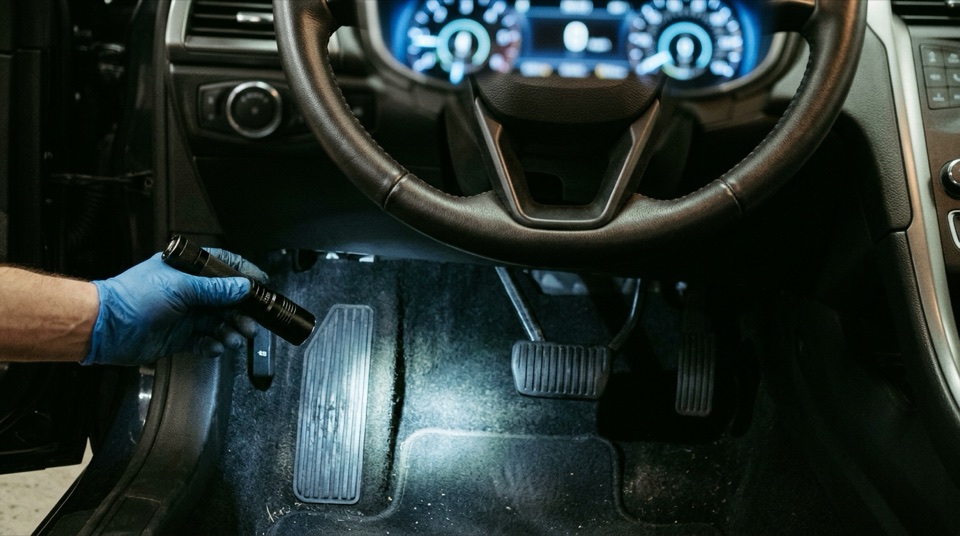
| Brake Pedal Rubber Pad | Crisp molded tread lines all the way to both edges | Smooth bald corner down to metal backing—or brand-new aftermarket pad on worn carpet |
| Driver Bolster & Steering Wheel | Matte satin leather grain with intact seam stitching | Shiny polished rim at 9 & 3 o’clock, crushed foam outer seat bolster |
| Driver-Side Window & Lock Switches | Crisp painted white icons and tight detent click | Peeling soft-touch coating, faded/rubbed-off Auto switch graphics |
| Headlight Lenses & Hood Front Lip | Light speckling, optically clear polycarbonate | Heavy sandblasted pitting and deep stone chips contradicting “low garage miles” |
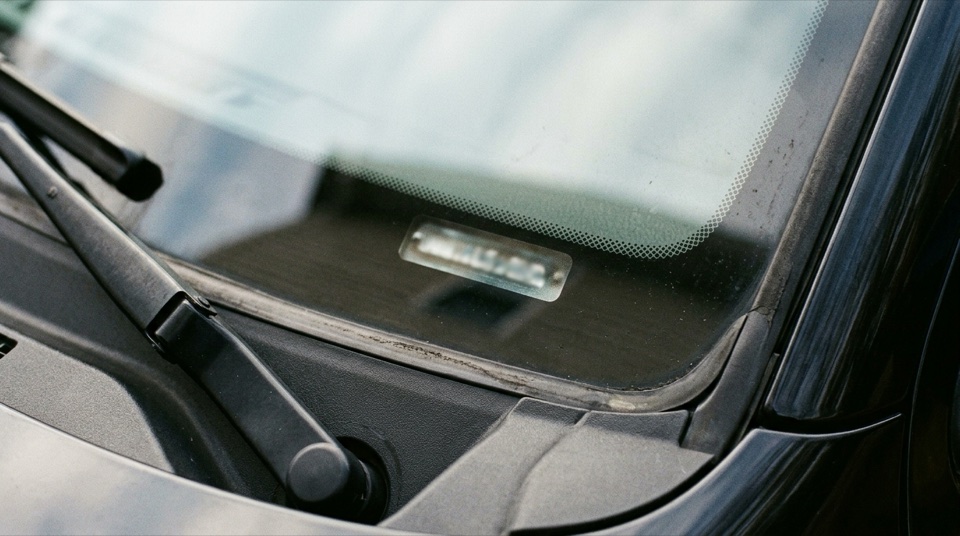
| Tire DOT Date Code + Maintenance Stickers | Original/matching tread depth consistent with mileage | Oil-change windshield sticker from last year reading higher than today’s dash |
Pro check: ask an independent shop to scan secondary modules
Many late-model Ford, GM, Toyota, BMW, and Chrysler vehicles store duplicate lifetime engine hours or transmission odometer counters inside the ECM/TCM or ABS module even after someone flashes the dashboard cluster.
Federal Odometer Act & state reporting rules
Under the federal Motor Vehicle Information and Cost Savings Act (49 U.S.C. § 32701 et seq.), tampering with an odometer or knowingly falsifying mileage on a title assignment is a federal crime carrying civil penalties of triple damages (or $10,000 minimum per violation) plus attorney fees.
Always verify that the mileage written by the seller in the title’s Odometer Disclosure Statement box matches the dashboard within the last day—never sign a blank title or accept a seller checking "Exempt" or "Not Actual" on a 2011+ model year vehicle.
Common questions
Can digital car odometers really be rolled back?
Yes. Inexpensive OBD-II EEPROM programmers sold online can overwrite dashboard cluster mileage on many domestic, Asian, and European vehicles in minutes without removing the speedometer.
Which states catch rollbacks fastest on paper?
States with mandatory annual safety or emissions testing—including New York, Texas, California, Pennsylvania, North Carolina, and Virginia—log verified mileage every 12 months, making multi-year rollbacks stand out immediately on a timeline graph.
Does a replaced dashboard cluster count as a rollback?
Replacing a broken cluster legally requires reprogramming it to the true chassis mileage OR affixing a certified repair shop door-jamb sticker showing old mileage plus date, alongside an official title disclosure if unknown.
What should I do if I discover a rollback after buying?
Preserve screenshots of the ad listing, text messages, signed bill of sale, and vehicle history report. Contact your state Attorney General Auto Fraud division and NHTSA’s Odometer Fraud Hotline immediately; federal law provides treble statutory damages.