Used car Marketplace & Craigslist scams: curbstoners, title jumping & fake escrow
Rule #1: Never pay for a "pre-check" site sent by the seller
A fast-growing scam pushes innocent buyers to click a seller’s link to a fake "$29 VIN report" checkout site controlled by phishing gangs to harvest your credit card number—often for a car that does not even exist.
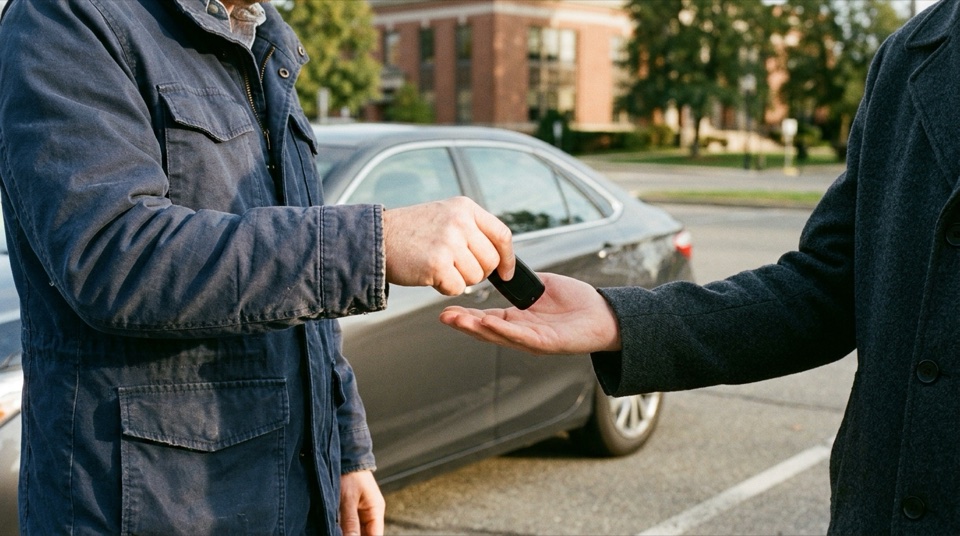
Facebook Marketplace and Craigslist let private US buyers avoid $1,500+ in dealer doc fees—but also attract unlicensed "curbstoners" flipping auction wrecks with jumped titles, rolled-back odometers, and fake paper temp tags. Here are the 6 most common private-party US scams and how to shut down every one before leaving your house.
In this guide
1. Curbstoners & illegal open-title jumping
A curbstoner is an unlicensed flipper posing as a private owner selling their "wife’s commuter" or "uncle’s estate truck." To evade state dealer licensing and taxes, they leave the buyer assignment line blank from the real prior owner—known as title jumping.
Why it destroys buyers: if the title signature has a mismatch, lien error, or notarization mistake, the DMV rejects your registration and you have zero legal recourse against a seller whose Facebook profile deletes 10 minutes after taking your cash.
- Ask on text before driving: "Is your exact name printed on the front of the US title in hand, matching your driver’s license?"
- Spot a flipper immediately: Look at the seller’s Marketplace profile for 4+ cars listed this year, meetups near storage lots or auto body streets, and cars missing license plates.
2. Fake "Amazon / eBay / Military Deployment" wire escrow
Scammers list desirable 2018–2022 Tacomas, RAV4s, or Accords at 35% below KBB, claim they are deployed overseas or divorced, and instruct you to wire Zelle, Venmo, or gift cards to an "eBay Motors Warehouse Protection" agent to ship the car.
Reality: neither eBay, Amazon, Craigslist, nor CarGurus holds escrow for random Marketplace ads, and zero deployed service members ship $22,000 trucks for free inspection trials.
3. The fake VIN report link scam
Moments after you message asking about a car, the "seller" replies: "Great, just pull an inspection report from [obscure-vin-check-site].com so I know you’re serious before we meet." The moment you enter your card, they steal card details or run recurring $69/mo charges and ghost you.
Your 5-step safe private transaction checklist
Follow these five non-negotiable boundaries on every private US purchase:
| Red Flag Excuse | What Is Actually Happening | Safe Buyer Action |
|---|---|---|
| "Selling for my brother / cousin—his name is on the title" | Unlicensed title jumping or concealed curbstone flip | Only buy when the named owner attends with matching photo ID |
| "Use my special VIN website before I give my address" | Affiliate/phishing card-harvesting scam | Run your own independent VIN check using the dashboard VIN |
| "Here is a 60-day paper temp tag, title comes later" | Fraudulent/stolen dealer temporary tag | Walk away immediately—never buy without clear title or lender payoff |
| "Meet me at 9 PM in an unlit apartment parking garage" | Hides mismatched paint, oil leaks & safety risk | Meet in daylight at a police station "Safe Trade" zone or bank branch |
Avoid $1 VIN Trial Traps Too →
See how hidden auto-renewing "$1 report" sites compare against transparent one-time $12.99 reporting.
Common questions
How can I tell if a Facebook Marketplace seller is a curbstoner?
Click "Seller details" on their profile to view other active or sold vehicles, verify whether the title issue date was within the last 30 days on a VIN report, and confirm their driver’s license name matches the front of the title before handing over money.
What is VIN cloning and how do I spot it?
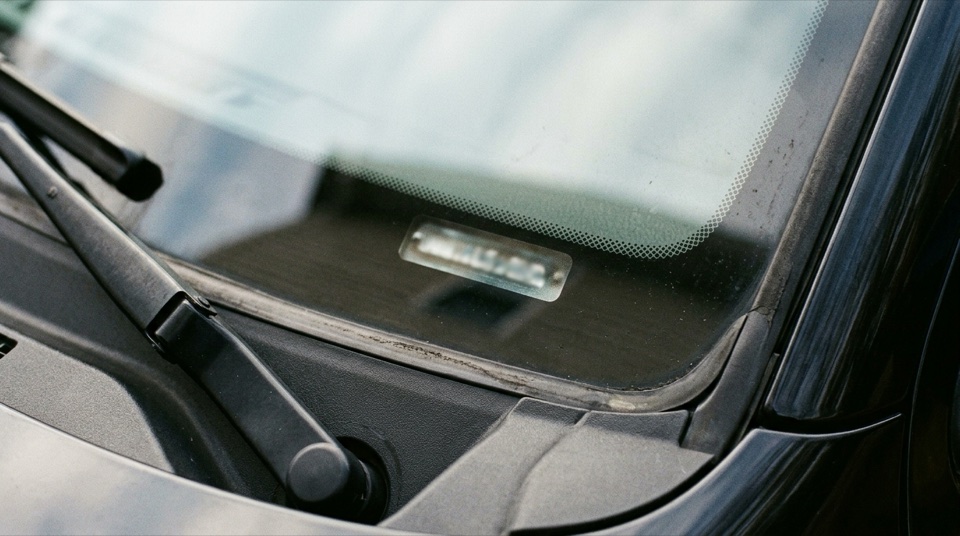
VIN cloning stamps a clean car’s VIN onto a stolen vehicle. Always verify all three locations match: windshield lower left plate, driver door-jamb B-pillar sticker, and the ECU/OBD-II electronic VIN read with a scanner.
Where is the safest place to exchange cash for a private car?
Most US city police precincts designate monitored "Internet Purchase Safe Exchange Zones" with 24/7 cameras—or complete the sale inside your bank or the seller’s credit union lobby.